


PCs approve controversial application to make Brampton the ‘waste burning capital of Ontario’
PCs approve controversial application to make Brampton the ‘waste burning capital of Ontario’.
 thepointer.com
So it will finally be official.The Ontario government has approved the massive expansion of a controversial waste-to-energy facility in Brampton, ignoring strong opposition from environmental groups, public health experts and hundreds of residents whose request for a full environmental assessment was denied.
The facility will be able to burn almost five times more waste once the expansion is complete. The incinerator expansion, projected to make it the biggest in Canada, could trigger a six-fold surge in greenhouse gas emissions in Brampton.
“It’s a tough pill to swallow,” Amisha Moorjani, a Brampton resident, said. She is worried about the health and future of her family, especially her children, who will now be exposed to toxic, cancer-causing chemicals from the incinerator. A disturbing report from the Region of Peel recently laid out the health risks to surrounding residents should the facility expansion move forward, including the potential for higher rates of certain cancers and respiratory diseases.
“I was really disappointed that they moved forward with this despite all the evidence showing it’s a bad idea,” Moorjani told The Pointer. “It goes against global scientific guidelines, with experts urging us to reduce, reuse, and recycle. Instead, they’re allowing a for-profit corporation to essentially buy garbage from other places and burn it here in Brampton. The letter from the government didn’t address the community's concerns at all, and that was really frustrating.”
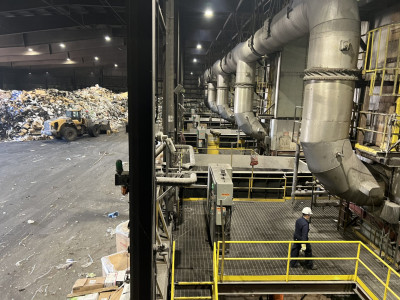
Despite receiving 446 formal requests for a comprehensive review, Environment Minister Todd McCarthy has allowed the 30-year-old Emerald Energy From Waste facility in northeast Brampton to proceed with plans to nearly quintuple its incineration capacity—from 182,000 to 900,000 tonnes a year—pending the fulfillment of specific conditions.
“We’re obviously disappointed,” Environmental Defence’s senior program manager for plastics, Karen Wirsig, told The Pointer. “A full environmental assessment would’ve allowed for more independent scrutiny and scientific input—which we think is sorely missing.”
In early April, Peel’s Medical Officer of Health warned regional council that the added pollution could further degrade Brampton’s already poor air quality, heightening the risk of respiratory and cardiovascular illnesses for nearby residents—many of whom already live with chronic conditions such as COPD, heart disease and diabetes.
Upvote
5